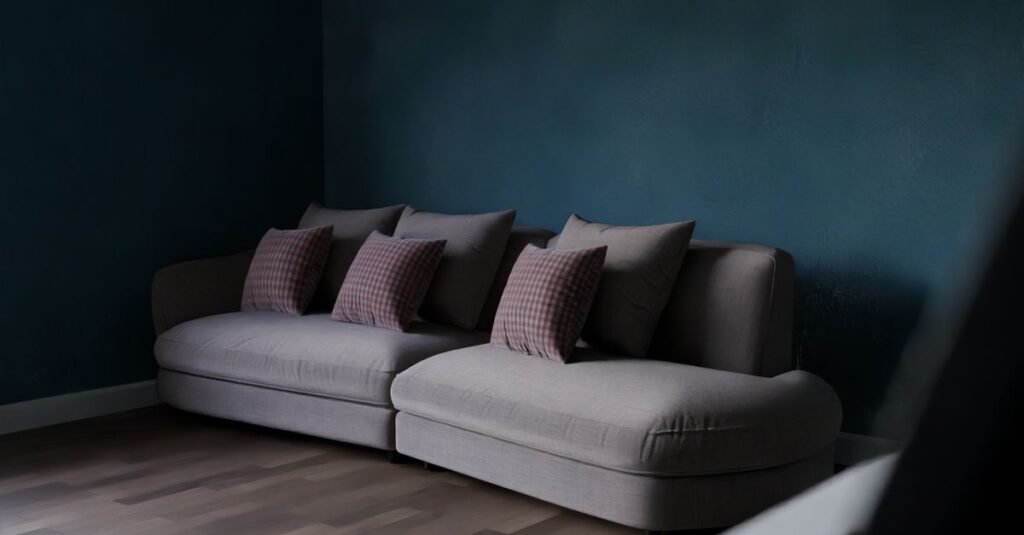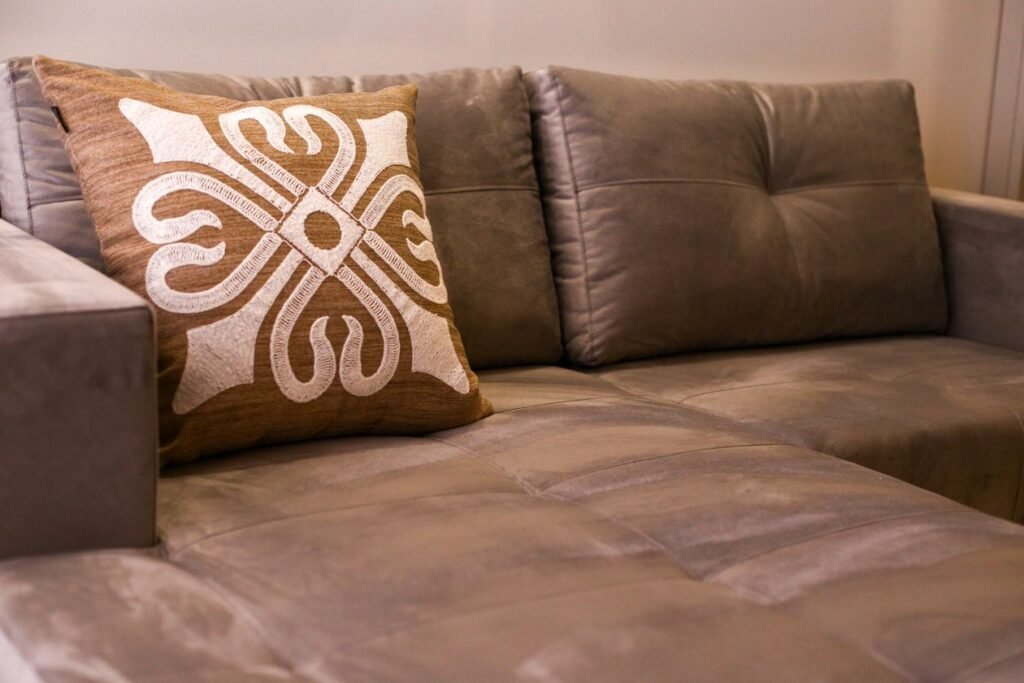

A minimalist living room is not a room with nothing in it. It is a room where everything in it has earned its place, and where the empty space is doing as much work as the furniture. That distinction matters, because the all-white, single-sofa rooms in magazines are often styled for a photograph, not for evenings with family, pets, homework, and a coffee that needs somewhere to sit. This guide takes the practical route: how to strip a living room back without stripping the warmth out of it, what to keep, what to lose, and how much it realistically costs.
Quick answer: Start with three anchor pieces — a comfortable sofa, one coffee table, and one good light source — then add only storage that hides clutter and one or two pieces with texture. Keep the palette to three colours, leave at least 30 inches of clear walking space around seating, and remove one item from every surface before adding anything new.
What Minimalism Actually Means at Home
In a home, minimalism is a decision-making tool, not a style to copy exactly. It asks a simple question of every object: does this make the room work better or feel better? A well-loved armchair that gets used every evening passes that test. A decorative ladder holding three blankets nobody reaches for probably does not. The goal is fewer, better things — pieces sized for the room, in materials that age well, arranged so the room is easy to move through and easy to tidy.
It also helps to separate minimalism from emptiness. An empty room feels unfinished and a little cold, because there is nothing for the eye to rest on and nothing soft to absorb sound. A minimal room, by contrast, still has texture: linen, wool, wood grain, a woven basket, a plant. The surfaces are clear, but the room is not bare. If your living room feels like a waiting room, you have probably removed texture rather than clutter.
How Much Furniture Does a Living Room Really Need?
Most living rooms work well with five to seven pieces of furniture, not counting small accessories. Count yours honestly before buying anything new. A typical workable set is a sofa, one or two chairs, a coffee table, one side table, a floor lamp, and one storage piece such as a low cabinet or a set of baskets. If you have more than that and the room still feels cramped, the problem is rarely the size of the room — it is the number of pieces competing for floor space.
- Sofa: the anchor. In a room under 200 square feet, a sofa between 72 and 84 inches long usually fits without dominating the wall.
- Coffee table: leave 16 to 18 inches between the sofa edge and the table so legs fit comfortably and cups stay within reach.
- One good lamp: a floor lamp beside the sofa at 58 to 64 inches tall gives evening light without an overhead glare.
- Storage that closes: a cabinet or lidded baskets for remotes, chargers, games, and throws. Open shelves display clutter; closed storage hides it.
The 80/20 Layout: Anchor Pieces First
Here is the original framework this guide is built on: spend 80 percent of your planning on the anchor layout and 20 percent on decoration. Most people do the reverse, buying cushions and art first and then wondering why the room still feels wrong. Get the big pieces right and the small pieces almost choose themselves.
Start by placing the sofa on the longest usable wall, facing the room’s natural focal point — a window, a fireplace, or the television if that is how the room is genuinely used. Then set the coffee table, then the rug. The rug should sit under the front legs of the sofa and extend at least 6 inches beyond each side of it; a rug that floats in the middle of the floor makes the whole seating area look temporary. For exact rug sizing by room shape, see the living room rug size guide. Finally, add lighting and one storage piece, and stop. Live with that layout for a week before buying anything decorative — you will be surprised how little feels missing.
A Realistic Budget: The $490 Starter Edit
Minimalism does not require replacing everything. This starter edit assumes you already own a sofa and focuses on the pieces that change how a room feels. Prices are typical US retail and secondhand ranges for 2026.
| Slipcover or washable sofa cover | $85 |
| Neutral area rug, 8 x 10 feet | $120 |
| Secondhand wood coffee table | $60 |
| Floor lamp, warm white bulb | $55 |
| Linen-look curtain pair | $45 |
| Lidded storage baskets (set of 2) | $35 |
| Large framed art print | $40 |
| Throw and two cushion covers | $50 |
| Total | $490 |
The table adds up honestly: 85 + 120 + 60 + 55 + 45 + 35 + 40 + 50 equals $490. Nothing here is a luxury purchase, and nothing depends on a full renovation. If your budget is tighter, start with the rug, the lamp, and the baskets — those three alone change the light, the warmth underfoot, and the visible clutter.
Choosing Colour Without Going All White
All-white rooms photograph well and live less well, because every scuff shows and the space can feel clinical. A warmer minimal palette works better for real homes. Try warm white walls, one mid-tone neutral such as greige or warm taupe for the sofa or rug, and one natural wood tone for tables and frames. Add a single muted accent — sage green, dusty terracotta, or navy — in the throw and one piece of art, and repeat it nowhere else. Three colours plus wood is plenty; a fourth accent is usually where calm tips into busy.
Paint is the cheapest way to test this. If you are choosing between shades, see the guide to paint colours that make small rooms look bigger — the same warm, light-reflecting principles apply in a living room of any size. Paint one wall first and live with it for a few days in both daylight and evening light before committing to the whole room.
Storage: The Difference Between Minimal and Empty
Minimal rooms fail most often at storage, not at style. Without a home for everyday things, surfaces refill within days and the room looks messier than before you started. The fix is boring and effective: one closed storage spot per category of clutter. Remotes and chargers go in a lidded basket by the sofa. Board games and throws go in the low cabinet. Children’s toys get one basket that is emptied back into their room each evening, not five small piles around the sofa. When everything has a closed home, tidying takes five minutes instead of thirty, and the room stays minimal without constant effort.
Common Mistakes That Make Minimal Rooms Feel Cold
- Removing all texture. Smooth white surfaces everywhere feel sterile. Keep at least three textures in the room: something woven, something wooden, and something soft.
- One overhead light only. A single ceiling light flattens a room. Add a floor lamp and, if possible, a table lamp so light comes from two heights.
- A rug that is too small. A 5 x 7 foot rug under an 84-inch sofa looks like a mat. Size up, or skip the rug until the right size fits the budget.
- Pushing everything against the walls. Pulling the sofa even 4 inches off the wall and angling one chair slightly inward makes the seating area feel like a place, not a perimeter.
Conclusion
A practical minimalist living room is built in this order: clear the clutter, place the anchors, fix the lighting, choose three colours, and then stop. Resist the urge to fill every empty corner — that empty space is the point. It is what makes the room feel calm, what makes cleaning faster, and what lets the pieces you kept actually stand out. Start with the $490 edit or just the rug, lamp, and baskets, live with it for a week, and add only what you genuinely miss.