
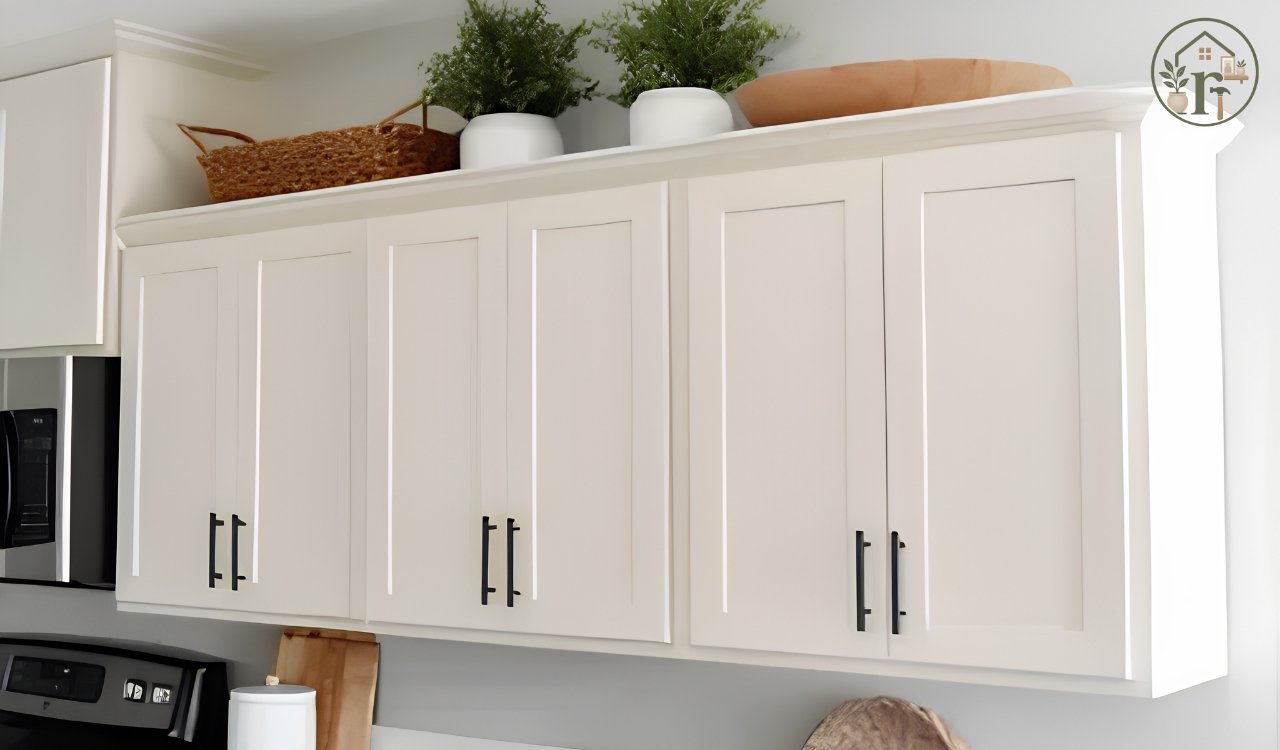
How to decorate above kitchen cabinets without clutter is a common concern for homeowners seeking a clean, finished kitchen look. The key is adopting a “less-is-more” philosophy: use just a few large, statement pieces (vases, baskets, art) that echo the kitchen’s color palette, leaving plenty of empty space around each grouping. For example, a tall ceramic urn or a row of woven baskets can add visual interest and texture without overwhelming the eye. Practical considerations – like easy-to-clean materials and faux plants – also keep dust and grease under control. This article provides an overview of styling principles, step-by-step tips, product and DIY ideas, and maintenance advice, plus a comparison of four décor approaches (minimalist, layered, themed, seasonal). You’ll finish knowing exactly how to style the space above your cabinets for maximum impact with minimum clutter, and which common mistakes to avoid.
The Grease-and-Dust Reality (Read Before You Decorate)
- Everything above kitchen cabinets collects a sticky mix of cooking grease and dust — plan for it from the start.
- Choose items you can actually wash: ceramic, glass, and metal wipe clean; unfinished wood, fabric, and paper do not.
- Keep arrangements simple and grouped — fewer items means faster cleaning; a quick wipe every month or two beats a deep scrub once a year.
- Leave some empty space on purpose: negative space looks calmer and more modern than a crowded shelf — and for some kitchens, the best look is nothing at all.
- If your cabinets nearly touch the ceiling (under ~12 inches of gap), skip decorating — the space will just look cramped.
How to Decorate Above Kitchen Cabinets Without Clutter
The overarching rule is to keep it simple and intentional. As one interior design blogger advises, “with just a few large, well-chosen pieces, you can make the area above your kitchen cabinets feel finished and stylish—and not cluttered or dated”. Begin by assessing the gap: if your cabinets already reach the ceiling or your kitchen is ultra-modern, you might skip decor altogether to maintain a clean look. But for most kitchens with a visible ceiling gap (about a foot or more), a subtle arrangement of 2–3 groupings is enough. Below are step-by-step tips to achieve a cohesive, clutter-free cabinet-top display:
- Step 1 – Plan Your Layout: Measure the space and visualize a unified look. Sketch a simple plan: allocate areas for one focal object and one or two secondary items. Decide on a color scheme or theme that ties into your kitchen (for example, repeating a cabinet hardware color in a decorative piece). Tip: Warm wood tones or white accessories can echo cabinets or countertops.
- Step 2 – Choose a Focal Piece: Start with one large item to anchor the display. Think tall ceramic vases, glass bottles, or large pitchers. Oversized objects add height and drama without busying the space. (As one decorator notes, “Large vases, jars, baskets, or urns will always look more current than lots of little accessories”.)
- Step 3 – Add 1–2 Accents: Complement the focal piece with one or two medium-sized items, such as woven baskets, a platter, or decorative book stack. For example, a pair of matching wicker baskets flanking a vase can introduce texture and warmth. Or group a couple of clear glass bottles with copper accents (if your kitchen has metal finishes). Be sure these accents relate to each other in style or color.
- Step 4 – Leave Breathing Room: Don’t fill every inch of the gap. Spread your items out so the eye can rest on blank wall in between. An expert tip is to use “two or three groupings total” for an average kitchen. The open spaces are just as important as the objects themselves. This balance – grouping items but spacing them generously – creates a neat, curated look instead of a cluttered one.
- Step 5 – Check Height and Proportion: Make sure items aren’t too tall to fit comfortably. Aim for objects that sit one or two inches below the ceiling line. If any piece is too tall, shorten it (e.g. trim long branches) to avoid blocking lights or doors.
- Step 6 – Final Touches and Maintenance: After styling, step back and view from below. Adjust for symmetry or visual flow. Incorporate a “curated everyday” approach: only display items you love and use the space as intentional décor. Plan to dust or wipe off pieces every few months; smooth, simple surfaces wipe easily. If real plants are added, choose hearty varieties or opt for realistic faux greenery to avoid constant care.
By following these steps, you’ll create a cabinet-top vignette that looks purposeful and roomy. It’s better to have three well-spaced elements than ten random knick-knacks.
Styling Principles for Above-Cabinet Decor
To maintain a clutter-free feel, apply these design principles:
- Color and Cohesion: Let the decor above cabinets feel like an extension of the kitchen. Repeat or complement the kitchen’s colors. For instance, white pottery echoes white walls and backsplash, while copper vessels mirror copper pots in the kitchen. Sticking to a simple palette avoids visual chaos.
- Scale and Proportion: Use the “less is more” mantra: choose scale over quantity. Large, sculptural objects make impact without visual noise. Avoid tiny trinkets and instead pick pieces that command attention. Vary shapes (one tall item, one round basket, etc.) for interest, but balance their heights.
- Texture and Material: Mix textures to add depth. Woven baskets or wooden crates introduce natural warmth, while glass or ceramic pieces add shine. For example, a row of matching woven baskets adds earthy texture and even doubles as storage. Metals, pottery, and wood can all play together if their colors are cohesive.
- Cohesive Collections: Grouping similar items can create unity. BHG suggests that grouping like objects (e.g. a set of matching canning jars or plates) yields a big-impact display. This strategy gives a collected look without cluttering: think “one large vase + one basket + one frame,” not a jumble of mismatched pieces.
- Balance and Symmetry: Arrange items so there’s visual balance. If you have two tall pieces, place one on each end to anchor the space. If using three pieces, offset the central item slightly. The goal is a harmonious composition, not a chaotic pile.
- Lighting and Highlighting: Adding subtle lighting (like under-cabinet LED strips aimed upward) can emphasize the decor and reduce shadowy dust buildup. Light fixtures or spotlight sconces are an architectural solution to make the gap look intentional. For a quick effect, battery-powered string lights behind objects add a soft glow.
- Functional Integration: Consider if the space can serve a purpose without looking cluttered. For example, open shelving “nooks” or cookbooks can be stylish and useful. Built-ins or a ledge with crown molding can look like intentional design elements. But keep function minimal to avoid inviting random storage.
Decor Approaches Compared
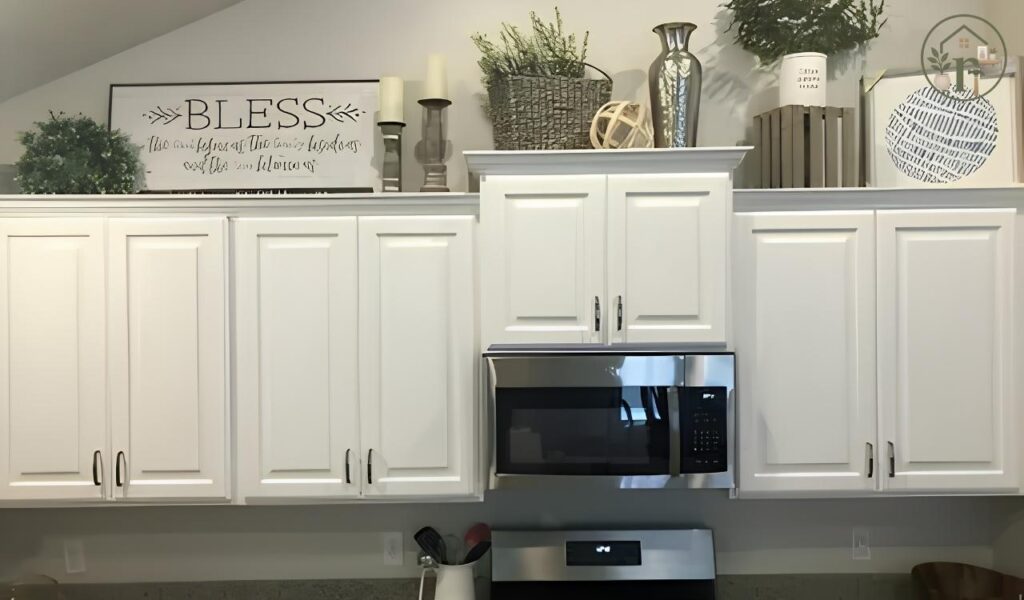
Different decorating approaches above cabinets offer distinct pros and cons. The table below compares four common styles – minimalist, layered, themed, and seasonal – by visual impact, cost, maintenance, ideal kitchen types, and clutter risk.
| Approach | Visual Impact | Cost | Maintenance | Best for Kitchen Types | Clutter Risk |
|---|---|---|---|---|---|
| Minimalist | Subtle, spacious | Low–Medium (few items) | Low (few items to clean) | Modern, small kitchens, low ceilings | Low (streamlined) |
| Layered | Rich, textured layers | Medium–High (more decor) | Medium–High (more cleaning) | Transitional, eclectic, open kitchens | Medium |
| Themed | Cohesive single motif | Medium (matching decor) | Medium (themed items) | Farmhouse, coastal, country-style kitchens | Medium |
| Seasonal | Variable (keeps interest) | Medium–High (multiple sets) | High (frequent updates) | Any style for those who like change | Medium–High (if overdone) |
Each approach can work; the key is to gauge your willingness to maintain it. Minimalist decor yields the lowest clutter risk by design. Layered or themed styles look lush but require more items (and dusting). Seasonal decorating is fun for holidays but means swapping items regularly and storing extra pieces.
Product and DIY Ideas
Get practical: here are some items and projects to help style your cabinet-top space:
- Large Decorative Containers: Matte-white vases, big glass demijohns, or ceramic urns make bold focal pieces. A trio of tall jars or a single sculptural bowl adds height. (Consider clear or neutral-colored glass to keep a light, airy feel.)
- Woven Baskets/Crates: Eco-friendly baskets or wooden crates add rustic charm and hidden storage. Use a row of identical baskets for symmetry, or a couple of vintage fruit crates for layered interest.
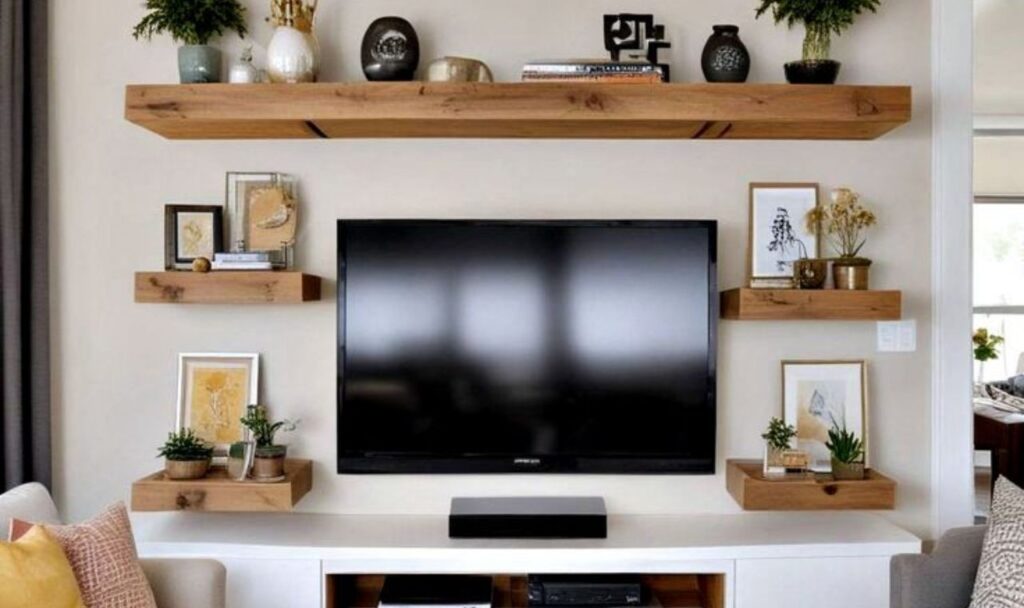
- Framed Art or Mirrors: Lean a framed print or mirror against the wall above a cabinet. This can fill the vertical space without clutter. For example, a simple botanical print or metal-framed mirror can draw the eye up. (Just secure it so it won’t tip.)
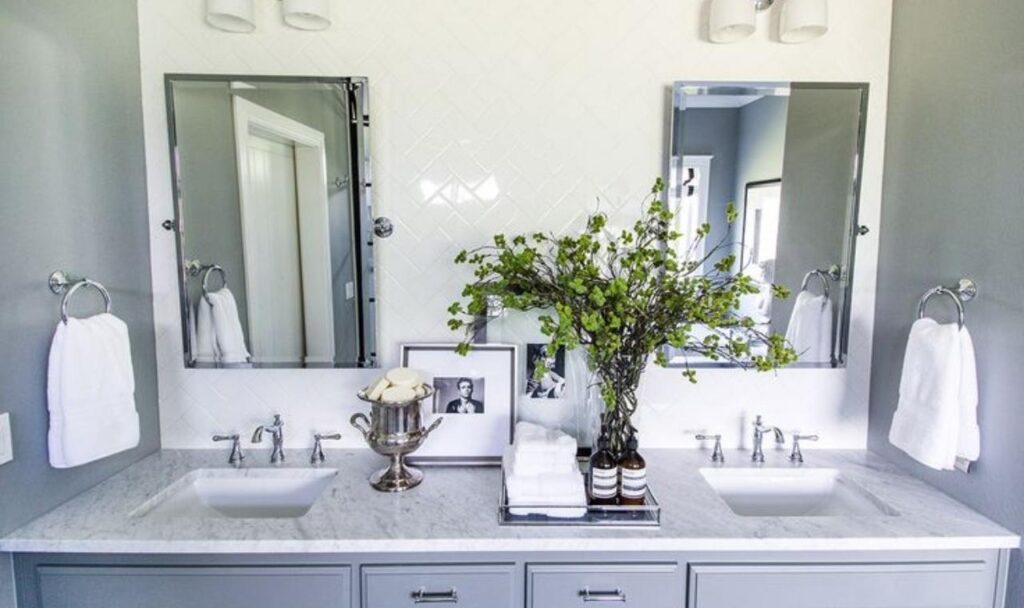
- Greenery and Florals: Add life with plants. Faux trailing vines or ferns (placed in corners) soften hard edges. Sturdy potted plants (like snake plants or succulents) can live up there if there’s light. Alternatively, faux greenery or dried flower bunches (wheat, lavender, pampas grass) in a jug deliver texture without maintenance.
- Cookbooks and Objects: A stack of pretty cookbooks or a row of glass bottles can also fill space and look intentional. Place them behind a basket or vase as a backdrop. (To avoid dust, keep these in a closed basket or only display a few.)
- Lighting and Extras: Battery-powered LED lights or a small spotlight over the cabinets add ambiance. A slim wooden shelf can be mounted to create a ledge display. If renting, removable peel-and-stick backsplash tiles or wallpaper on the wall above cabinets is an easy update. For example, peel-and-stick tiles can extend your backsplash to the ceiling, making the cabinet gap part of the design.
- DIY Projects: Crafty ideas include painting the soffit the same color as the wall for seamlessness, building a crown-molding shelf, or installing narrow cubbies to custom-fit objects. Upcycle empty wine crates into risers, or use old ladders laid flat as rustic shelves.
When choosing products or DIY projects, prioritize lightweight, easy-to-clean items (to protect cabinets and ease upkeep). For example, use faux greenery instead of live plants if access is limited, and choose smooth surfaces that dust off easily.
Maintenance Tips
Even a minimal above-cabinet display needs care. Here’s how to keep it looking fresh:
- Dust Regularly: Every few months, wipe down items to prevent a greasy film. Smooth surfaces (glossy jars, ceramic vases) are easiest to clean. Avoid very textured or fabric-covered pieces that trap dust.
- Grease & Light: If your vent hood is nearby, steer clear of decor that may catch oil splatters (e.g. lots of green foliage). Use washable faux plants or metal pieces that you can wipe off. Ensure nothing blocks lighting or vents.
- Seasonal Switch-Out: If you decorate for holidays, plan storage. Keep out-of-season items in labeled bins, and rotate simple changes (e.g. swap a few pumpkins in fall, a festive bowl in winter).
- Safety: Check stability – lean objects against the wall or use museum putty if needed. Ensure nothing obstructs cabinet doors or ceiling fixtures.
- Declutter When in Doubt: Every year, review the items. As one stylist notes, “If [objects] don’t find a spot anywhere else, they go above the cabinets” – but only if they fit the decor. If something feels dated or random, consider recycling it rather than crowding the space.
Common Mistakes to Avoid
Avoid these pitfalls to keep the look clean and current:
- Too Many Tiny Items: Scattering 10 small knick-knacks looks cluttered. Stick to a few scaled-up pieces instead.
- Overfilling the Space: Resist the urge to line the entire span. Leave sections empty for balance.
- Draping Ivy or Garlands: Loose greenery can quickly look messy (and gather dust). If you hang vines, trim them neatly and secure them, or skip them entirely.
- Ignoring Scale: Don’t mix one giant piece with many minis. All items should feel proportional to the gap height and to each other.
- Mismatched Colors/Styles: Random souvenirs or a rainbow of colors will jolt the eye. Keep finishes and theme consistent. For example, don’t pair sleek modern vases with rustic jugs in one grouping.
- Forgetting Maintenance: It’s a mistake to ignore that this area collects dust and grease. Choose decor you can actually keep clean, or be prepared for the routine dusting it requires.
By avoiding these, your cabinet-top vignette will stay stylish, not dated or haphazard.
Conclusion
Decorating the space above kitchen cabinets is all about balance. A few carefully chosen pieces can make the area feel complete, while too many accessories can quickly create visual clutter. Focus on larger decorative items, keep your color palette consistent, and leave enough open space to maintain a clean look. Whether you prefer modern, farmhouse, or traditional style, the right decor can add personality without overwhelming the room. Most importantly, choose items that complement your kitchen and are easy to maintain. A simple, well-planned arrangement will always look more stylish, timeless, and welcoming than an overcrowded display.
One Comment