
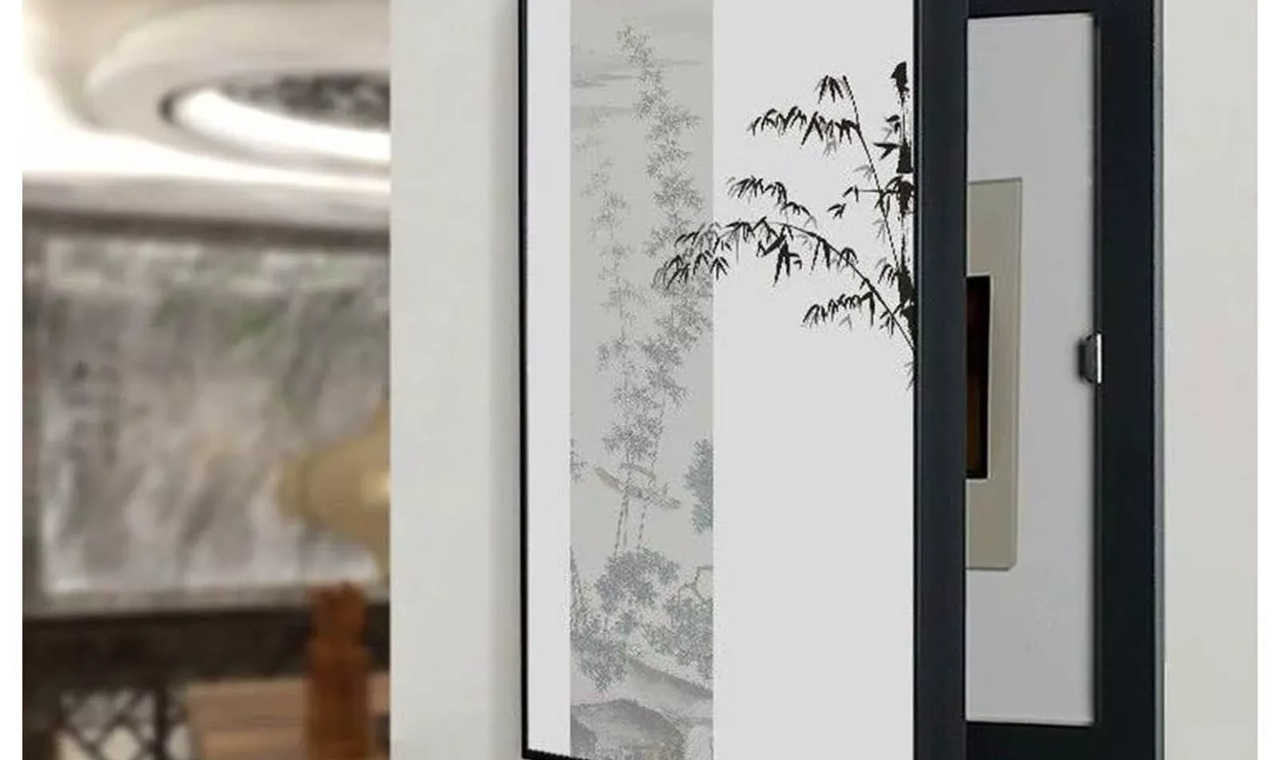
An electrical panel is essential, but its plain metal door can stand out on an otherwise finished hallway wall. Fortunately, you do not have to leave it exposed just because it needs to remain accessible. The right cover can make the panel blend into your décor while still allowing quick access when needed. From hinged artwork and mirrors to paint, shallow cabinets, and accent walls, there are several ways to make a hallway electrical panel less noticeable. The best option depends on your hallway size, decorating style, budget, and how much space you have around the panel.
Code Clearances You Must Respect (NEC 110.26)
- The US National Electrical Code requires a clear working space: 30 inches wide, 36 inches deep in front of the panel, with 6.5 feet of headroom.
- The panel door must be able to open a full 90 degrees — nothing may block it.
- Nothing can be permanently stored or built inside that clearance zone.
- Any cover (artwork, cabinet door) must be easily and quickly removable — a hinged frame works; a screwed-shut box does not.
Typical cost: a hinged picture frame large enough to cover a panel runs about $15–$40, and magnetic cabinet latches cost a few dollars.
Renters should check their lease and local rules before covering a panel.
Can You Hide an Electrical Panel in a Hallway?
Yes, but hiding it should mean disguising its appearance rather than permanently blocking it.
Any decorative cover should be easy to open, remove, or move when the electrical panel needs to be inspected or serviced. You also need to keep the required working space around the panel clear. The exact electrical requirements can vary by location and installation, so check your local code before building a cabinet, wall treatment, or other permanent structure around the panel.
For a simple decorating project, the safest approach is usually to work around the existing panel rather than modify the electrical equipment itself. If your idea changes the panel enclosure, wiring, or required working space, ask a qualified electrician before starting.
9 Ways to Hide an Electrical Panel in a Hallway
1. Cover It With Hinged Artwork
A framed picture or canvas is one of the easiest ways to make an electrical panel look like part of the hallway décor. Choose artwork that is large enough to conceal the panel without creating an awkward projection into the walking area. A hinged frame is particularly useful because you can swing the artwork aside whenever the panel needs to be opened. Lightweight artwork is preferable to a heavy frame or glass-covered piece.For a more finished appearance, choose artwork that matches the colors and style already used in the hallway.
Best for: Most hallways and decorating styles.
2. Use a Hallway Mirror
A mirror can serve two purposes at once: it disguises the panel and adds light and visual depth to the hallway. This can work especially well in a narrow entryway where a large decorative object might make the space feel crowded. A wall-mounted mirror with an appropriate opening or hinged mounting can provide access without permanently obstructing the panel. Avoid choosing a heavy mirror that would be difficult to move. Make sure the mounting system is secure and that the mirror can be moved without tools if access is required.
Best for: Narrow, dark, or entryway hallways.
3. Paint the Panel to Match the Wall
If you want the simplest solution, reduce the panel’s visual contrast instead of covering it.
Painting the panel door a color that closely matches the surrounding wall can make it much less noticeable. This works particularly well with minimalist interiors because it does not add depth or another decorative object to the hallway. Before painting, make sure the product is appropriate for the panel’s surface and follow the manufacturer’s preparation instructions. Do not paint over components that should not be painted, and do not interfere with the panel’s operation.
Best for: Very narrow hallways, minimalist interiors, and low-cost makeovers.
4. Add a Removable Decorative Frame
A shallow decorative frame can turn an unattractive electrical panel into something that looks intentional. You could use simple trim, a decorative board, or a framed panel that matches the surrounding wall. The important part is making the covering removable or hinged so the electrical panel remains accessible.This option gives you more control over the finished appearance than simply hanging a picture. You can match the frame to existing door trim, wall molding, or other architectural details in the hallway.
Best for: DIY projects and homeowners who want a custom appearance.
5. Install a Shallow Cabinet or Cover
A cabinet can hide the panel completely while making it look like part of the hallway’s built-in storage or architectural design. This option works better in a wider hallway because a deep cabinet can reduce walking space. Instead of building a large storage unit, consider a shallow design with a front door that provides access to the panel. Before installing one, check how the door opens and whether the cabinet would interfere with the panel’s required working area. A decorative cabinet should never turn an accessible panel into a difficult one.
Best for: Wider hallways and larger renovation projects.
6. Incorporate It Into an Accent Wall
If you are already planning to update the hallway wall, consider making the electrical panel part of the overall design. Wood slats, wall molding, paneling, or another decorative treatment can draw attention away from the panel and make the wall look more intentional. The section covering the electrical panel should still be removable or designed for access. For a modern hallway, vertical slats can add texture without requiring a bulky cabinet. For a traditional space, trim or molding can help the panel blend with the surrounding wall.
Best for: Modern, contemporary, farmhouse, and renovation projects.
7. Use a Sliding Barn-Style Door
A small sliding door can be an attractive solution when a traditional hinged cover would interfere with the hallway. A barn-style door can suit rustic, farmhouse, industrial, or eclectic interiors. It slides to the side instead of swinging into the hallway, which can be useful where space is limited. The door should move smoothly and leave the electrical panel fully accessible when opened. Make sure the track and covering are installed securely and do not interfere with the panel itself.
Best for: Rustic, farmhouse, and industrial-style hallways.
8. Try a Folding Screen or Fabric Cover
A folding screen can provide a temporary way to disguise an electrical panel without making permanent changes to the wall. This can be useful for renters or anyone who wants a quick decorating solution. A fabric wall hanging or tapestry can work in a similar way. Choose a lightweight material that can be moved aside quickly whenever the panel is needed. This approach is particularly suitable for boho, eclectic, or colorful interiors. However, avoid placing a bulky screen where it creates an obstruction in a busy hallway.
Best for: Renters and temporary decorating changes.
9. Create a Custom Concealed Access Door
For a larger renovation, a custom concealed door can make the panel blend almost completely into the wall. The door can be finished to match surrounding paint, molding, or wall paneling. When closed, it becomes part of the wall design; when opened, it provides access to the electrical panel. This is one of the most polished options, but it requires careful planning. The design needs to preserve the panel’s accessibility and comply with applicable local requirements.
Best for: Major renovations and custom interiors.
Best Ways to Hide an Electrical Panel in a Narrow Hallway
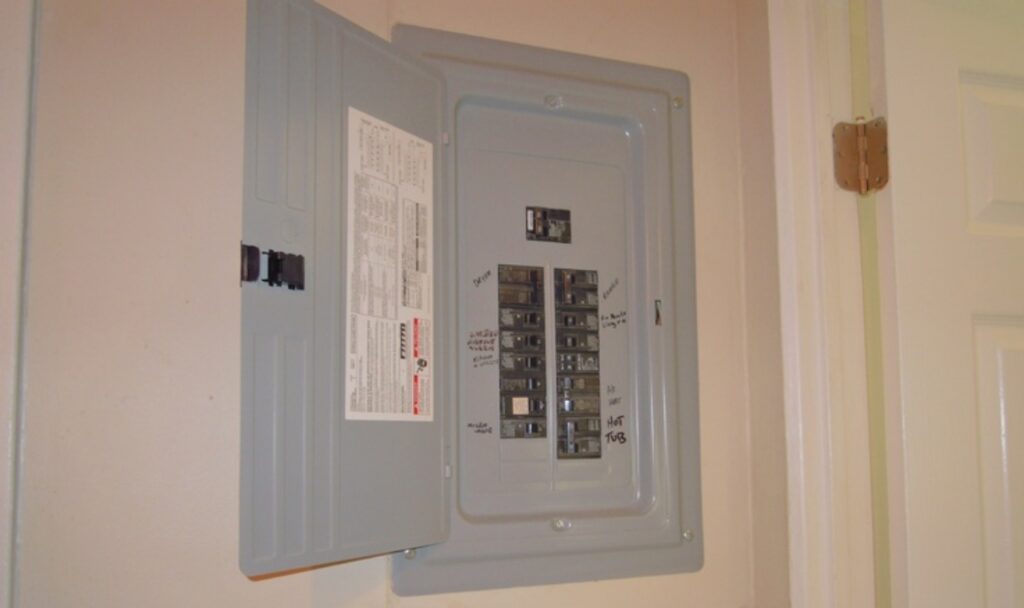
A narrow hallway needs a different approach from a large entryway. Anything that projects too far from the wall can make the corridor feel cramped and may interfere with movement. Flat or shallow solutions are usually the better choice. Painting the panel is the least intrusive option, while hinged artwork and a suitable mirror can provide more visual concealment without taking up much floor space. A removable decorative frame can also work well if it stays close to the wall. Deep cabinets and bulky furniture are generally less suitable because they take up valuable hallway space. Before installing anything, measure the area around the panel and make sure the finished solution does not interfere with the access and working space required for your installation.
How to Choose the Right Electrical Panel Cover
The best option depends on your hallway rather than simply choosing the most attractive idea.
| Hallway situation | Recommended option |
| Very narrow space | Matching paint |
| Narrow or dark hallway | Mirror |
| Most home styles | Hinged artwork |
| Rental property | Removable artwork or fabric |
| Modern interior | Accent wall or flush frame |
| Rustic interior | Sliding barn-style door |
| Wider hallway | Shallow cabinet |
| Major renovation | Custom concealed door |
| Lowest-cost approach | Paint |
| Think about three things before choosing: how much space the cover will occupy, how easily you can access the panel, and whether the design fits the rest of your hallway. |
Electrical Panel Cover Safety: What to Avoid
The main mistake is treating the electrical panel like an ordinary wall feature.
Do not permanently seal it behind drywall, fixed cabinetry, or another structure that prevents quick access. Avoid placing furniture or decorative objects where they interfere with the panel’s required working space. A hinged picture, mirror, or decorative door should open or move easily. Heavy objects also need secure mounting so they do not fall when moved. Electrical requirements differ depending on the jurisdiction and installation. If you are unsure about the clearance around your panel, check your local requirements or ask a qualified electrician before installing a permanent covering. Most importantly, conceal the appearance without concealing the function. Someone who needs to shut off a circuit or service the panel should be able to locate and reach it without difficulty.
Conclusion
Hiding an electrical panel in a hallway does not require a complicated renovation. Paint is the simplest choice, while hinged artwork and mirrors offer more decorative coverage without taking much space. Wider hallways can accommodate shallow cabinets or custom doors, and accent walls can make the panel part of a larger design. Whichever option you choose, keep the panel accessible and preserve the required working space. A good solution should make the hallway look better without making the electrical panel harder to reach.
One Comment